Savoria
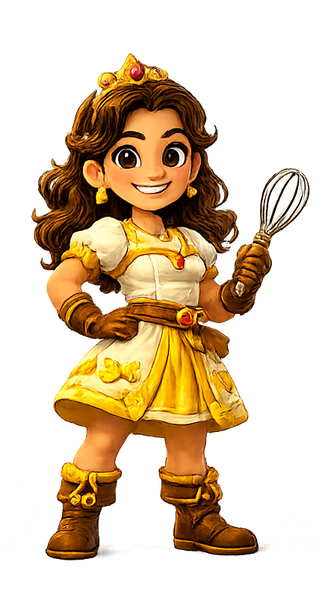
A food-world platformer that failed on the first build and shipped on the second. Two things changed in between: the models got better, and I stopped taking their first answer.Most first builds fail the same way. Someone with no experience in the domain asks a model where to start, and the model reaches for the tool a professional would use. For a platformer in March 2026 that meant a full game engine, Godot, and I followed the advice. It produced a three-chef party, painted worlds, and nine of eleven build phases done, but nothing anyone could play.
By July two things had changed. The models had gotten much better at holding a whole codebase at once, and this time I opened with a question the first attempt never asked: does this need an engine at all? Pushing back on the stack, the scope, and half the architecture left plain JavaScript running in a browser tab. That one played end to end.
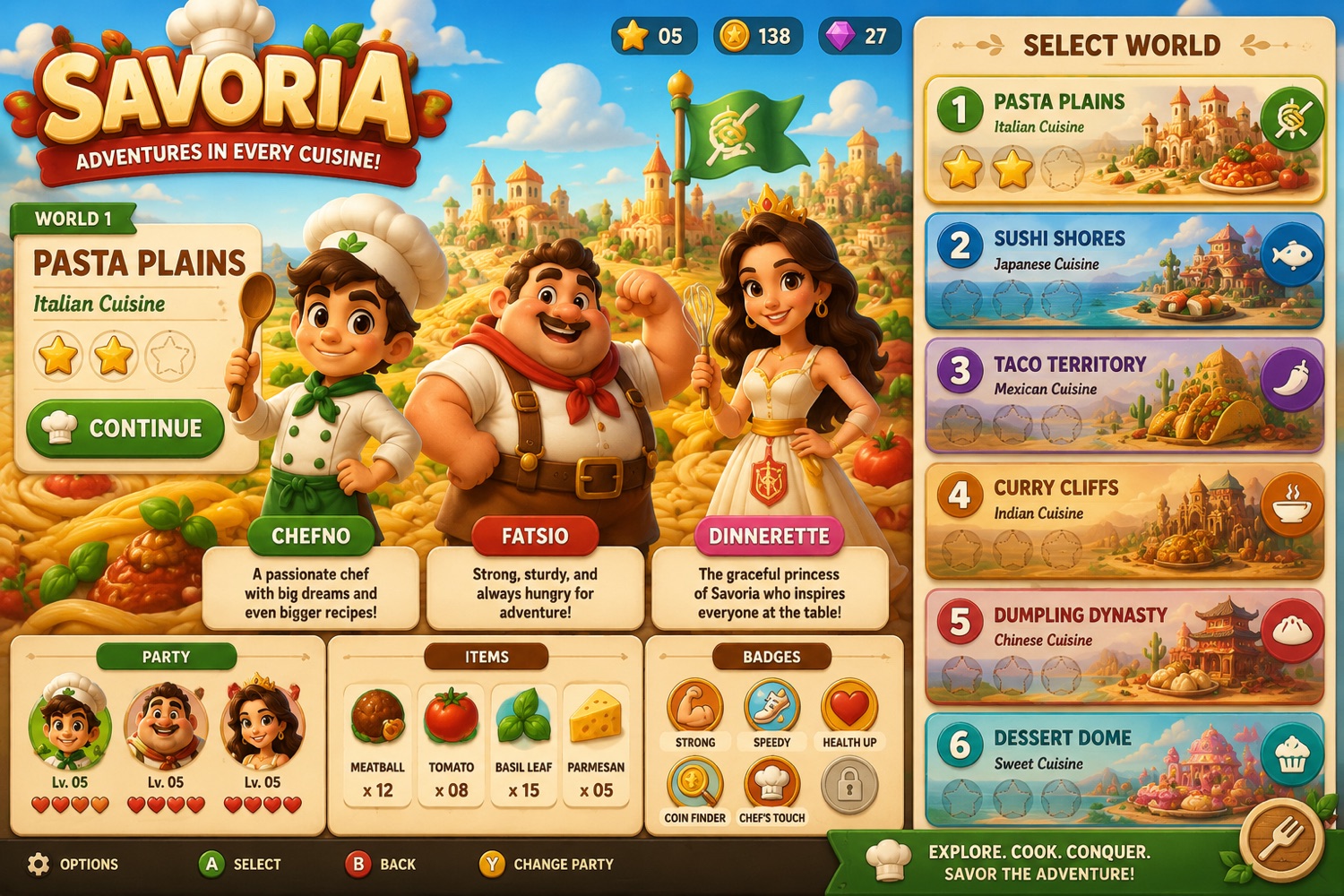
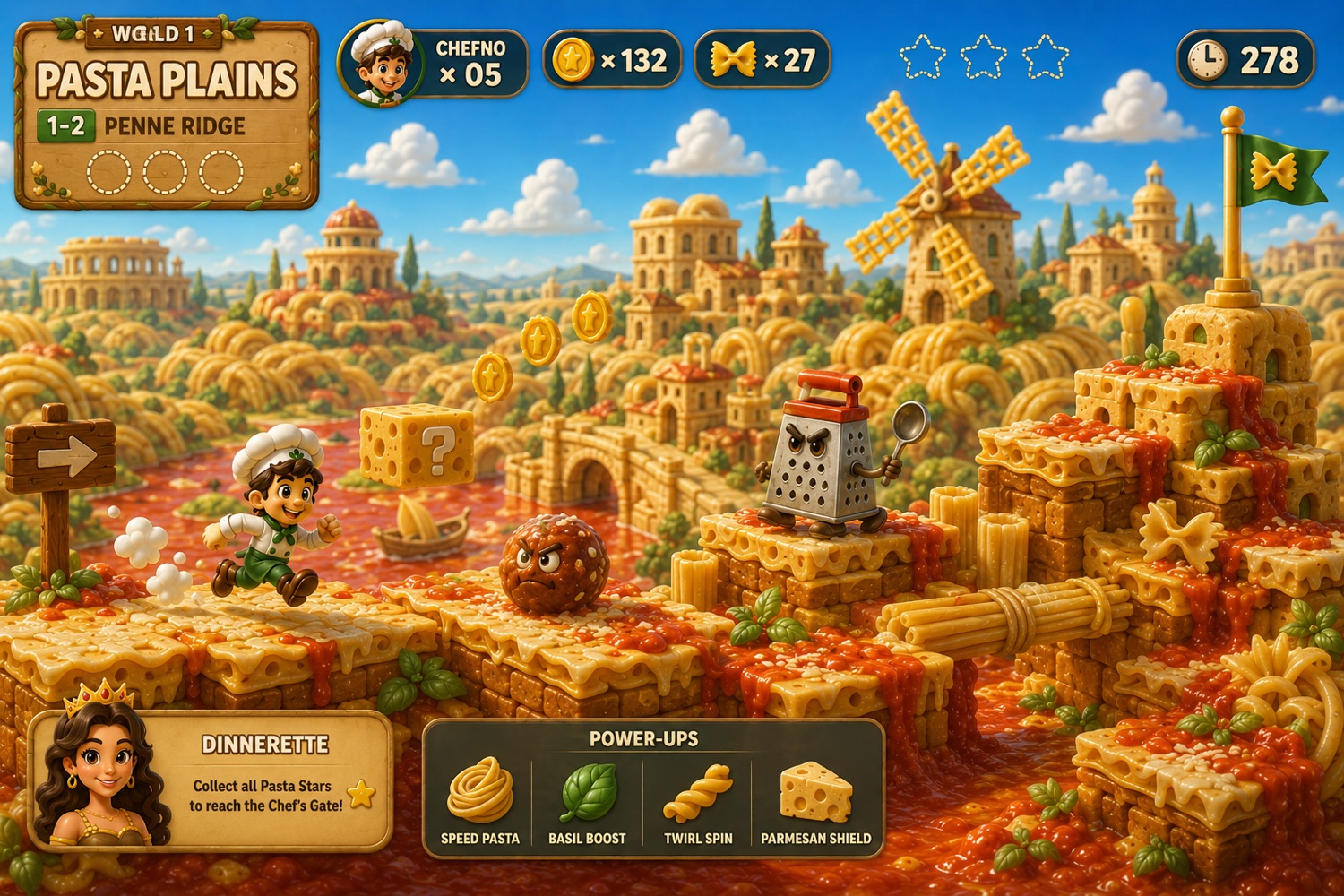
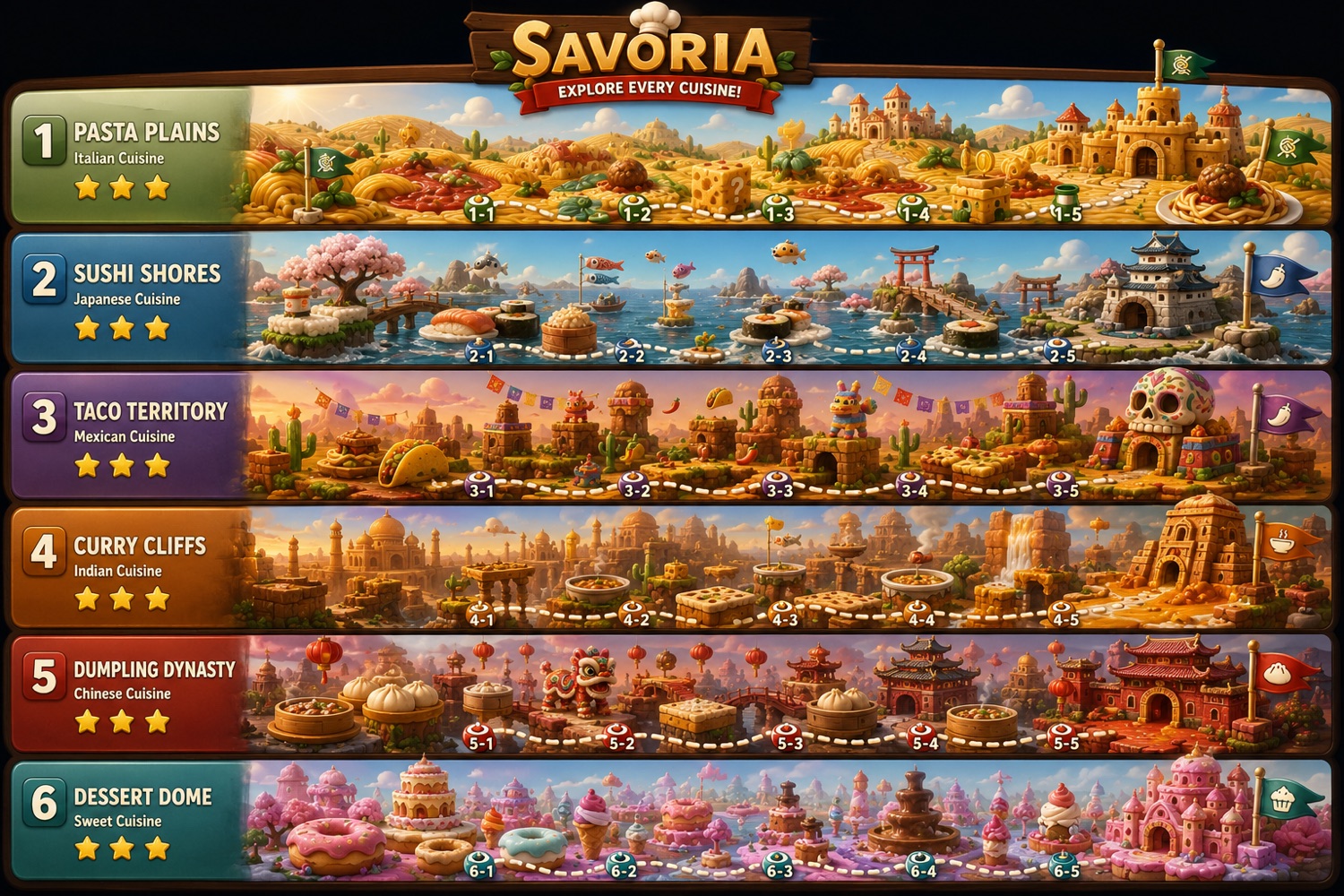
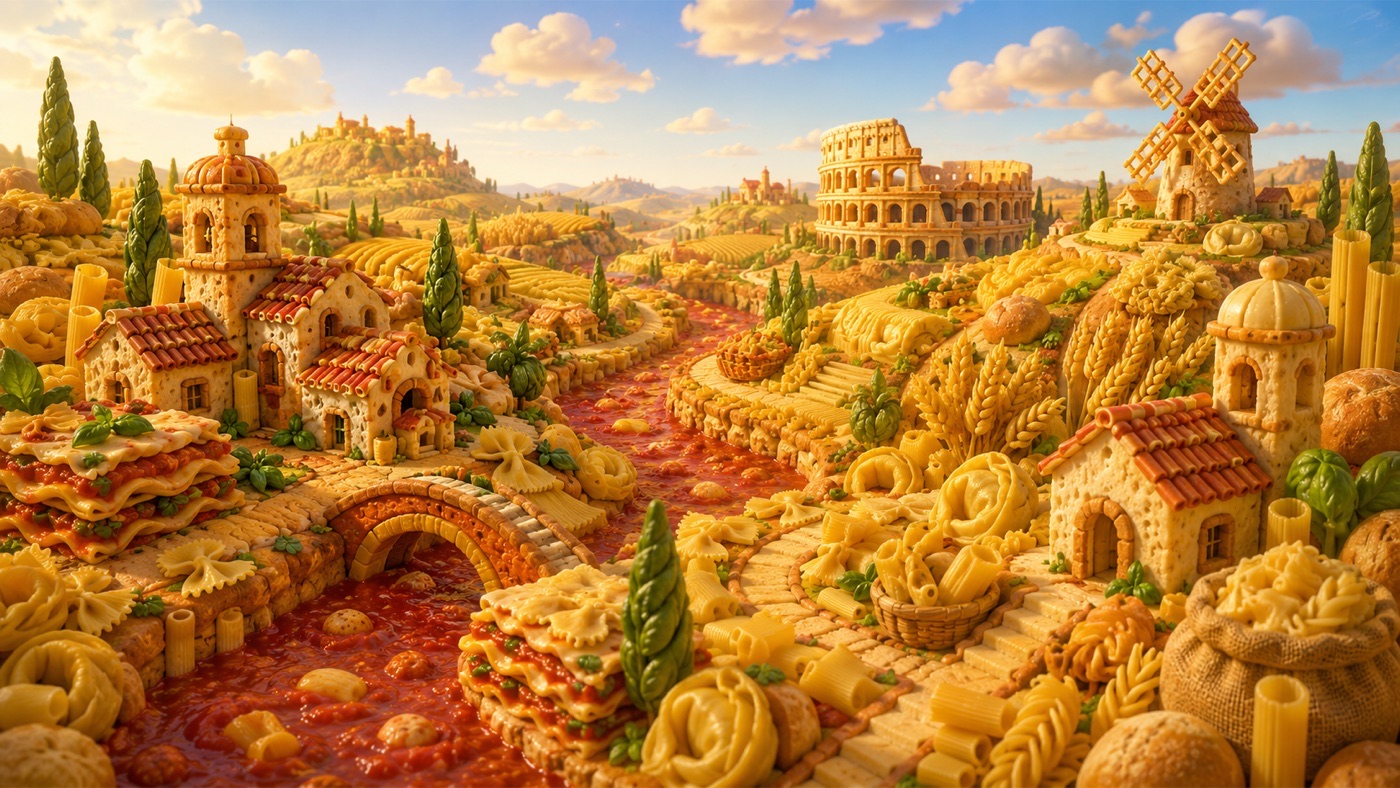
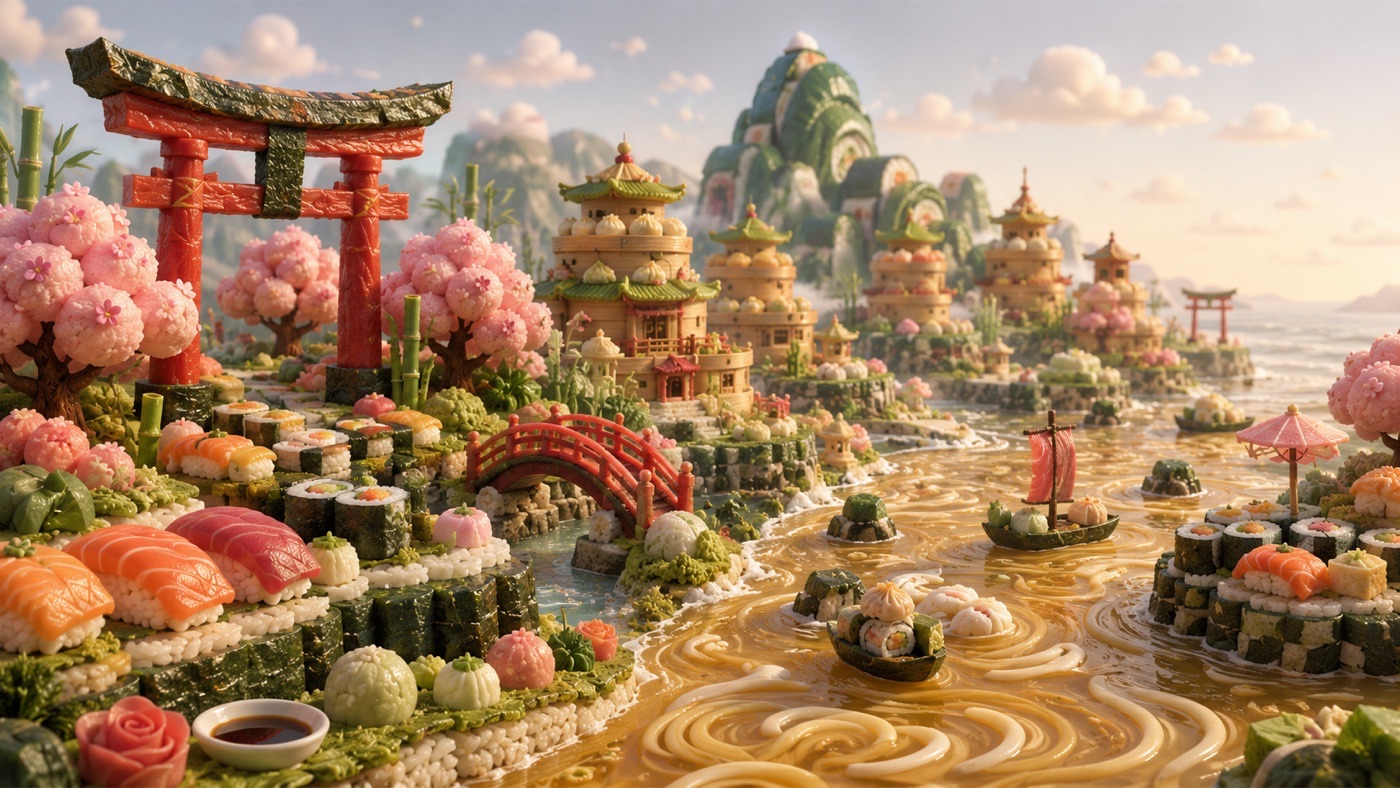
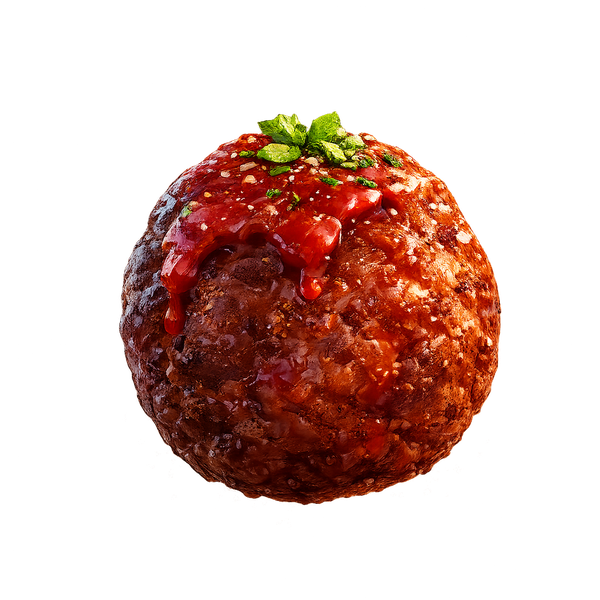
A browser platformer in plain JavaScript and WebGL, no install and no engine. Six food worlds from Pasta Plains to Dessert Dome, twelve levels, three switchable chefs, timed power-ups like the parmesan shield and speed pasta, and a boss fight against Don Funghi. Tomatoes are coins. Marinara is lava. The painted art carried over from the first attempt, which is the one thing that attempt got right.
The physics got the same treatment my serious builds get: an automated sweep that jump-tested 578 positions across every level until zero phantom deaths remained. And every level lives in one data file on purpose. That's the door for what's next: opening the repo so anyone can describe a level to Claude, playtest it in the browser, and send it back.